
Paid Growth
Paid Advertising Management
The problem
The platform reports conversions your sales team never saw
Most underperforming accounts have a measurement problem before they have a targeting problem. Form submissions counted twice, thank-you pages that fire on reload, attribution windows compared against different periods, offline sales invisible to the platform. Optimising toward numbers like these makes the account worse while the reporting looks better.
What you should expect
- Conversion data you can reconcile against your own records
- Budget concentrated where enquiries and orders actually come from
- A structured testing record rather than untracked creative changes
- Clear reporting on what was spent and what it produced
Who this suits
- E-commerce brands with a defined margin structure
- Local service businesses competing on enquiries
- Clinics and elective procedure providers
- B2B companies with a measurable sales process
What's included
Everything covered under paid advertising management
Campaigns measured against qualified leads and revenue, with tracking you can actually trust.
Google Search Ads
Intent-led campaigns structured around what people are trying to do, with negative keyword discipline.
Google Shopping Ads
Feed quality, product titles and campaign structure so the catalogue competes on the terms that matter.
Performance Max
Asset groups, audience signals and exclusions configured so the campaign is directed rather than left to guess.
Meta advertising
Facebook and Instagram campaigns across prospecting and retargeting, with creative built for the placement.
TikTok advertising
Native-format creative and campaign structure suited to how the platform's audience actually behaves.
Remarketing
Audience segmentation by intent and recency, with frequency limits so retargeting does not become an irritant.
Creative testing
Structured tests that change one variable at a time, so a winning ad tells you why it won.
Conversion tracking
Google Tag Manager, GA4 and platform events, deduplicated and reconciled against your own records.
Landing page recommendations
Specific changes to the pages campaigns point at, since the ad can only get someone to the door.
Campaign reporting
Consistent periods and definitions, separating learning phases from results and stating what changed.
What we do not promise. We do not promise a fixed return on ad spend. Return depends on margins, pricing, close rates and competitor behaviour, most of which sit outside the ad account. We commit to accurate measurement, structured testing and honest reporting.
How we work
A process you can follow from the outside
Five stages, each with an agreed output. You always know what is happening now and what comes next.
- 1
Account audit
Structure, spend distribution, search terms, creative and — first — whether the conversion data can be trusted.
- 2
Measurement repair
Fix tracking before changing spend: deduplicate events, agree conversion definitions, reconcile with your records.
- 3
Restructure and launch
Rebuild campaigns around intent and margin, with negatives, exclusions and budgets set deliberately.
- 4
Creative and landing page testing
One variable at a time, run long enough to be meaningful, documented so results are not re-learned later.
- 5
Ongoing optimization
Regular review against agreed measures, with changes and their reasoning recorded in the reporting.
Related work
Projects using these services
Client names are withheld where an agreement requires it.
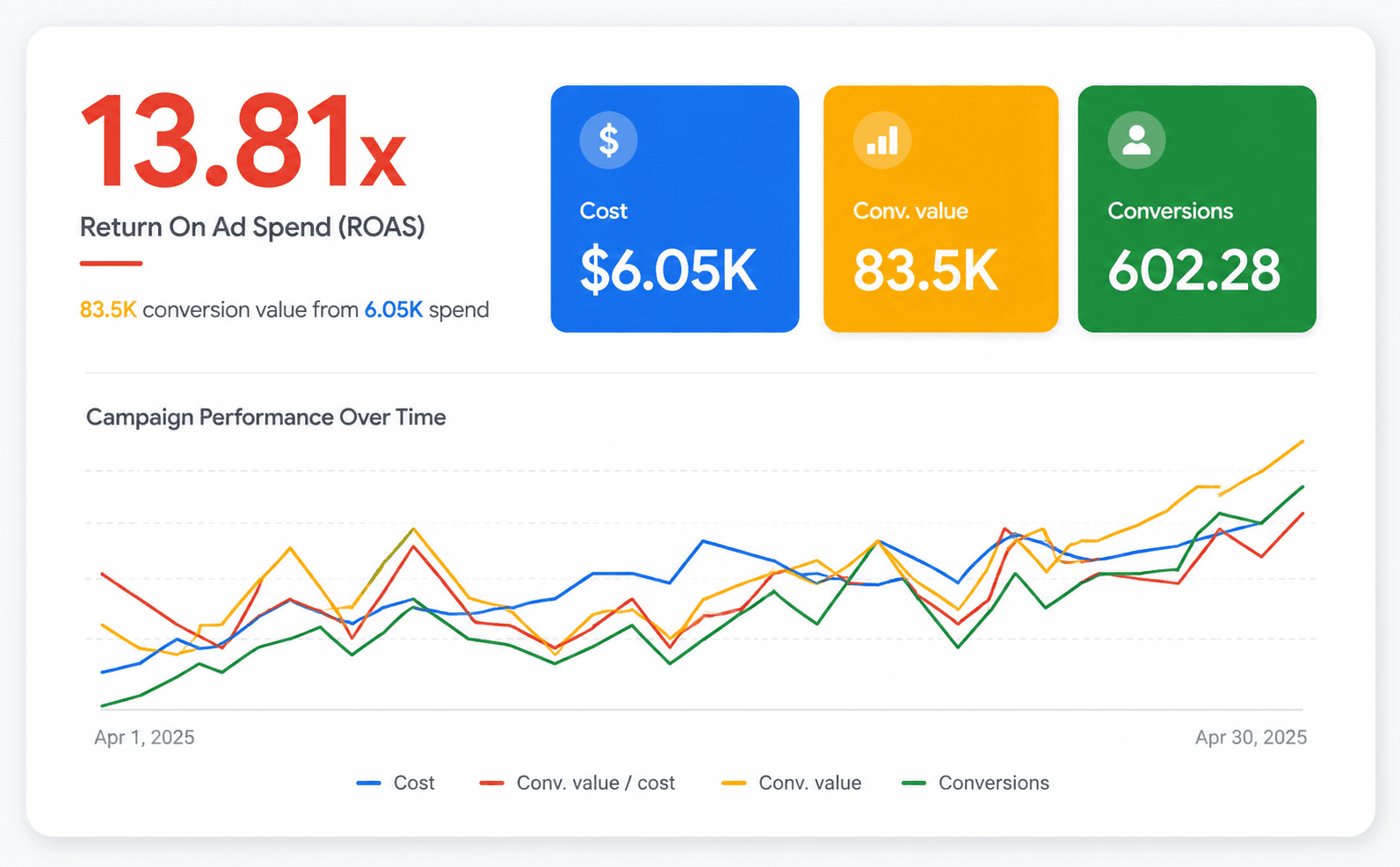
Paid Advertising Project
E-commerce retailer · name withheld under NDA
Challenge
The store was already running Google Ads and wanted to spend more, but only if return held. Existing campaigns needed updated structure before extra budget could be trusted to perform.
Result
Return held above 13x while spend scaled 52%
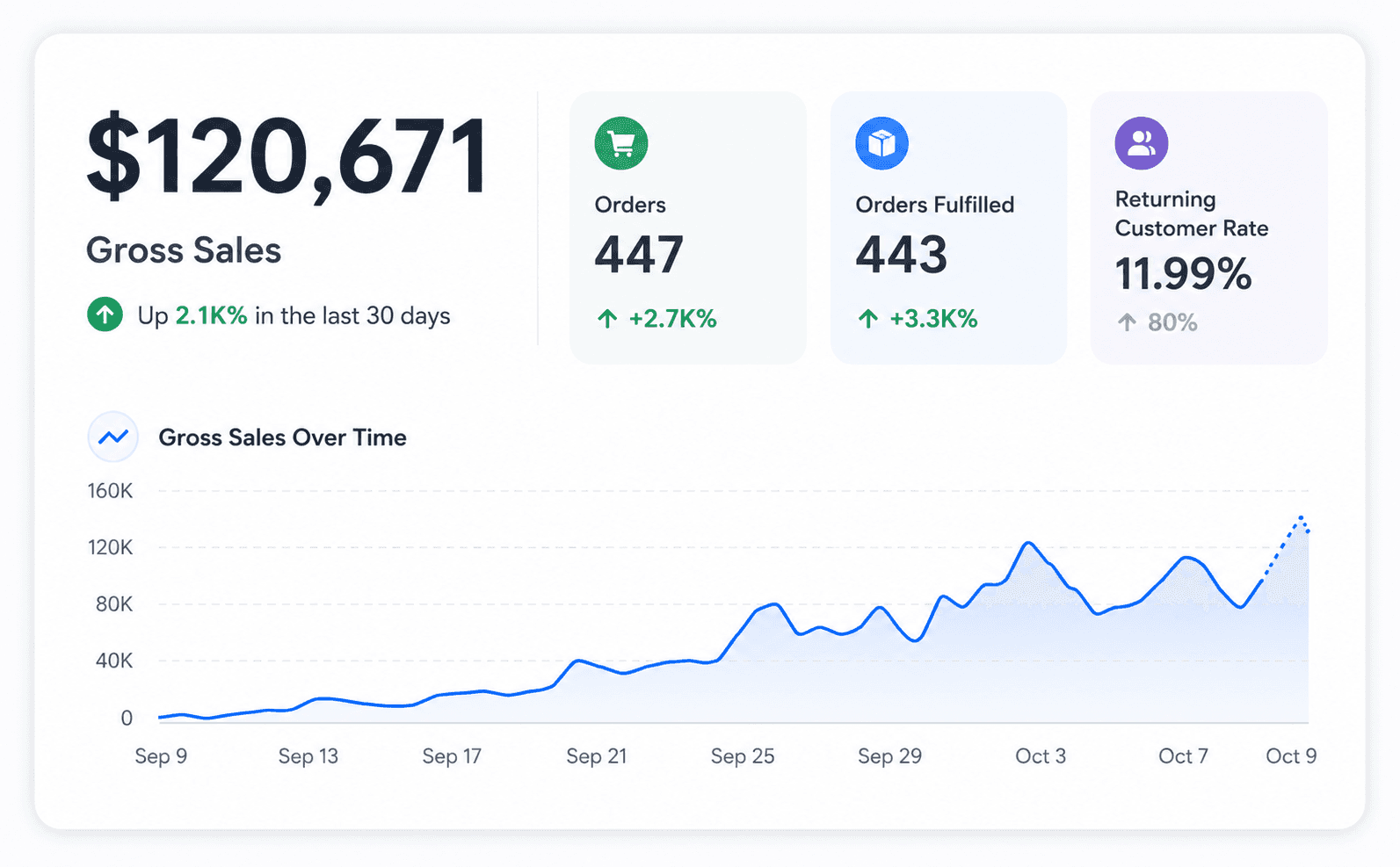
E-commerce Website Project
Health and wellness e-commerce brand · name withheld under NDA
Challenge
The store was live but barely selling. In the month before the engagement, sales were close to zero. The existing marketing approach was not producing orders and the website itself had issues standing between visitors and checkout.
Result
$120,671 in gross sales over 30 days
Questions
Frequently asked questions
Common questions about paid advertising management. If yours is not here, ask us directly.
What budget do we need to start?
Can you guarantee a specific return on ad spend?
How do you set up conversion tracking?
Do you manage Google, Meta and TikTok together?
Who owns the ad accounts?
Need Similar Results? Let's Discuss Your Project
Tell us where you are now and what you are trying to improve. We will tell you what we would do first, and whether we are the right fit.